
Mold: The Hidden Epidemic – Part 2.
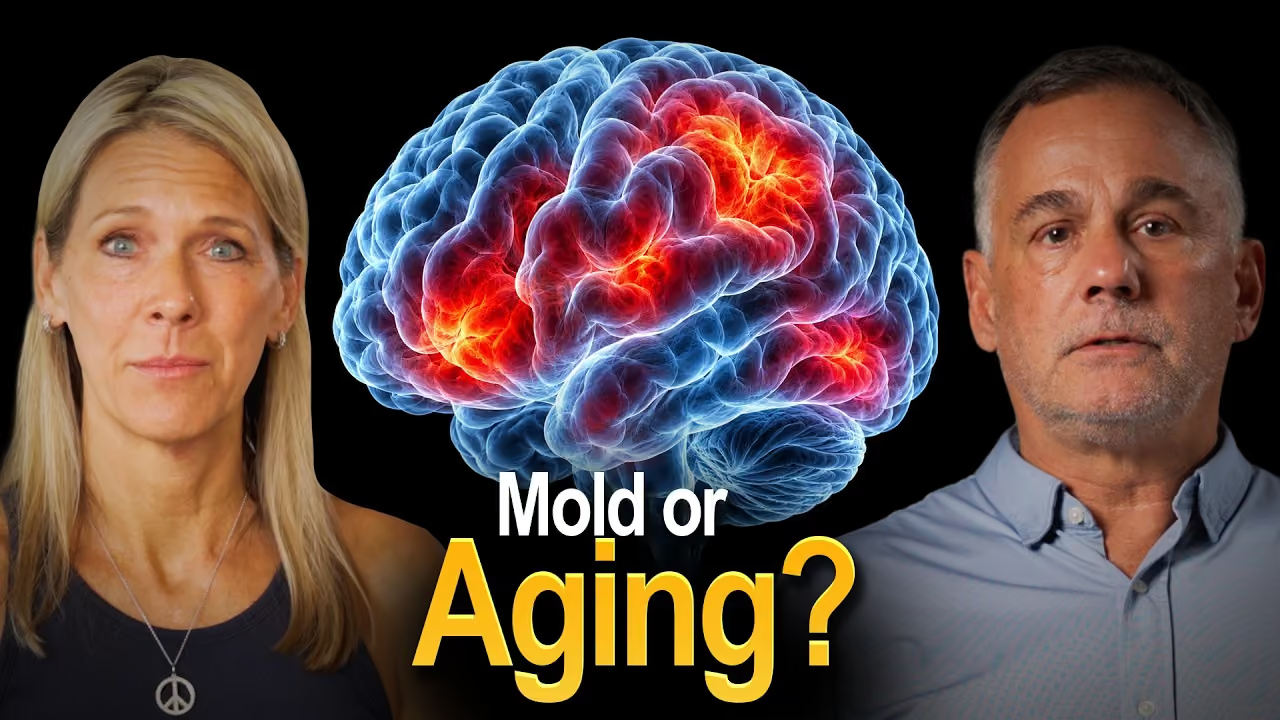
This film reveals the devastating toll of prolonged mold exposure through the deeply personal stories of patients whose lives have been upended by chronic illness.
From visual hallucinations to dementia-like symptoms, patients recount the physical, cognitive, and emotional struggles that left them feeling as though they had lost their bodies, minds, and lives. But amid the suffering, a path toward hope emerges as they seek answers, find guidance from one of the world’s leading mold experts, and begin charting their journey toward recovery and healing.



Share this page
Watch on YouTube
Mold: The Hidden Epidemic — Part Two reveals the devastating toll of prolonged mold exposure through the deeply personal stories of patients whose lives have been upended by chronic illness.
From visual hallucinations to dementia-like symptoms, patients recount the physical, cognitive, and emotional struggles that left them feeling as though they had lost their bodies, minds, and lives. But amid the suffering, a path toward hope emerges as they seek answers, find guidance from one of the world’s leading mold experts, and begin charting their journey toward recovery and healing.
Mold Is Everywhere
Mold is everywhere, but it affects each of us differently. For most people, the biggest exposure happens at home. For others, it comes through food. And for people who spend long hours in offices and other indoor spaces, the workplace can be just as dangerous. To cause harm, mold only needs a way in.
David’s Story
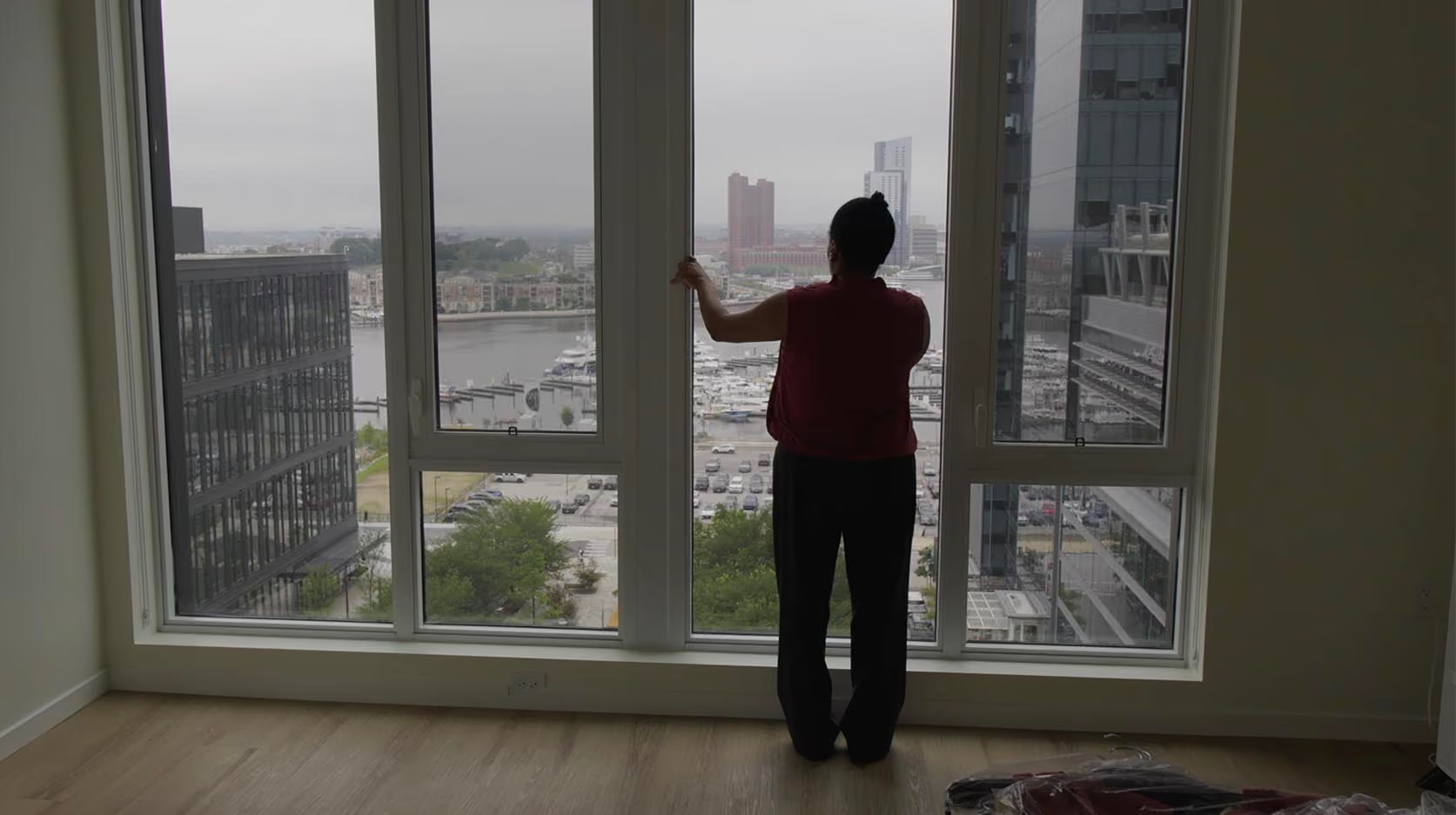
David Eltringham, an injury attorney with the Eltringham Law Group, was about 50 and at the top of his career. His practice was thriving, he’d been married for nearly two decades, and he had a three-year-old daughter. Life, as he puts it, was really, really good.
The first sign was a string of sinus infections that never went away. His doctor kept prescribing medication without asking why they kept coming back. Then David’s memory began to slip. He forgot the names of people close to him and details of his own cases. When he raised it, his doctor told him, “Welcome to your 50s.”
Researching medical issues is part of David’s job, so he dug in. Everything he found pointed to mold illness. But when he brought it to his doctor, the doctor told David and his wife that it wasn’t mold. He said David was having a psychotic break, and referred him to a psychiatrist who prescribed antipsychotic medication.
Instead of helping, the medication made everything worse. David began having hallucinations and became convinced the FBI was coming for him. He would stare at his screen for hours, unable to remember how to practice law or even how to reply to a text. He couldn’t function at work, as a husband or as a father, and he was afraid to tell anyone, for fear of losing his license.
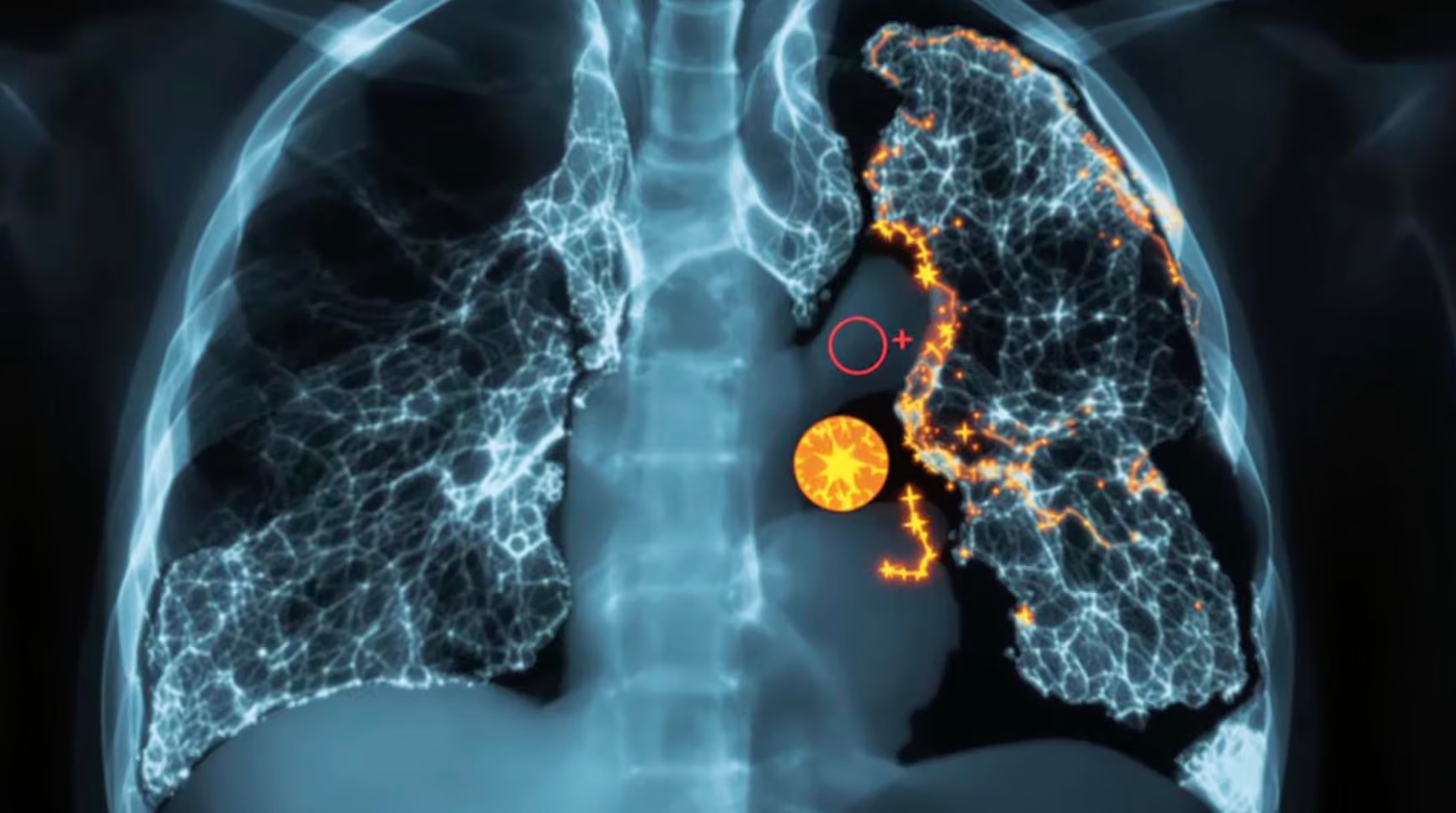
Months later, while playing with his daughter on her birthday, he couldn’t catch his breath. One of his lungs had collapsed. Scans showed scarring on his diaphragm and what the radiologist described as glass-like environmental infiltrates in his lungs. Within a couple of months, he was finally diagnosed with mold illness.
The Toll on the Mind
Mold illness doesn’t stay in the body. There are at least 150 studies on how mold exposure affects the way we think and feel. Research has linked it to memory loss and dementia-like symptoms, and even to Parkinson’s-like symptoms. Mold can also deeply affect mood, coping skills and emotional resilience. For many patients, that’s what makes it so hard to recognize, and so easy to dismiss.
Finding the Source
When David came to Dr. Andy Heyman, he already knew he had mold illness. He was exhausted from being told he was crazy. Dr. Heyman started him on binders to help clear the toxins, tested for and treated bacteria in his nasal passages, and helped him get out of the exposure.
Finding that exposure wasn’t easy. Over two years, David’s office passed several mold inspections. Then a microbial engineer found the problem within hours. When they cut into the ceiling, there was black mold in the insulation and the ventilation. While David was working to save his life and his practice, mold had been raining down on him every day.
Once he was out of his office, David began to improve, though recovery wasn’t a straight line. When his rental home flooded, he was exposed again and got sick. His care team restarted the binders, moved him out of the exposure, and continued treatment, including a peptide therapy called VIP.
Little by little, David’s memory came back, then his focus and his ability to practice law. He remembers handling a major case while still struggling to breathe, with his mind working again. Today, he says, he’s a different person.
Calley’s Story
Before she got sick, Calley Fletcher was living her best life in Florida. She had a full-time job, part ownership in a construction company, weekends on the boat and a daughter she adored.
The changes came so gradually that she barely noticed: forgetfulness, trouble focusing, lightheadedness when she stood up. Then one evening, driving home from her daughter’s dance recital, less than two miles from her house, she suddenly had no idea where she was. The moment passed, but it terrified her. She thought she might have dementia or Alzheimer’s.
Going through a divorce, she was afraid to tell anyone. Her doctor said it was stress and hormones. But her symptoms kept getting worse. She had to lie down in the middle of the grocery store. She had sharp, ice-pick pains in her head and body. One morning every muscle in her body seized, and she collapsed and woke up hours later with a black eye. For nearly ten years, she lived with constant rashes and no answers.
Dr. Heyman explains that this is common. Mold can disrupt the nervous system that’s supposed to work automatically, causing dizziness, vertigo, numbness, tingling and pain. Many of his patients see 10, 15 or even 20 practitioners before anyone considers mold.
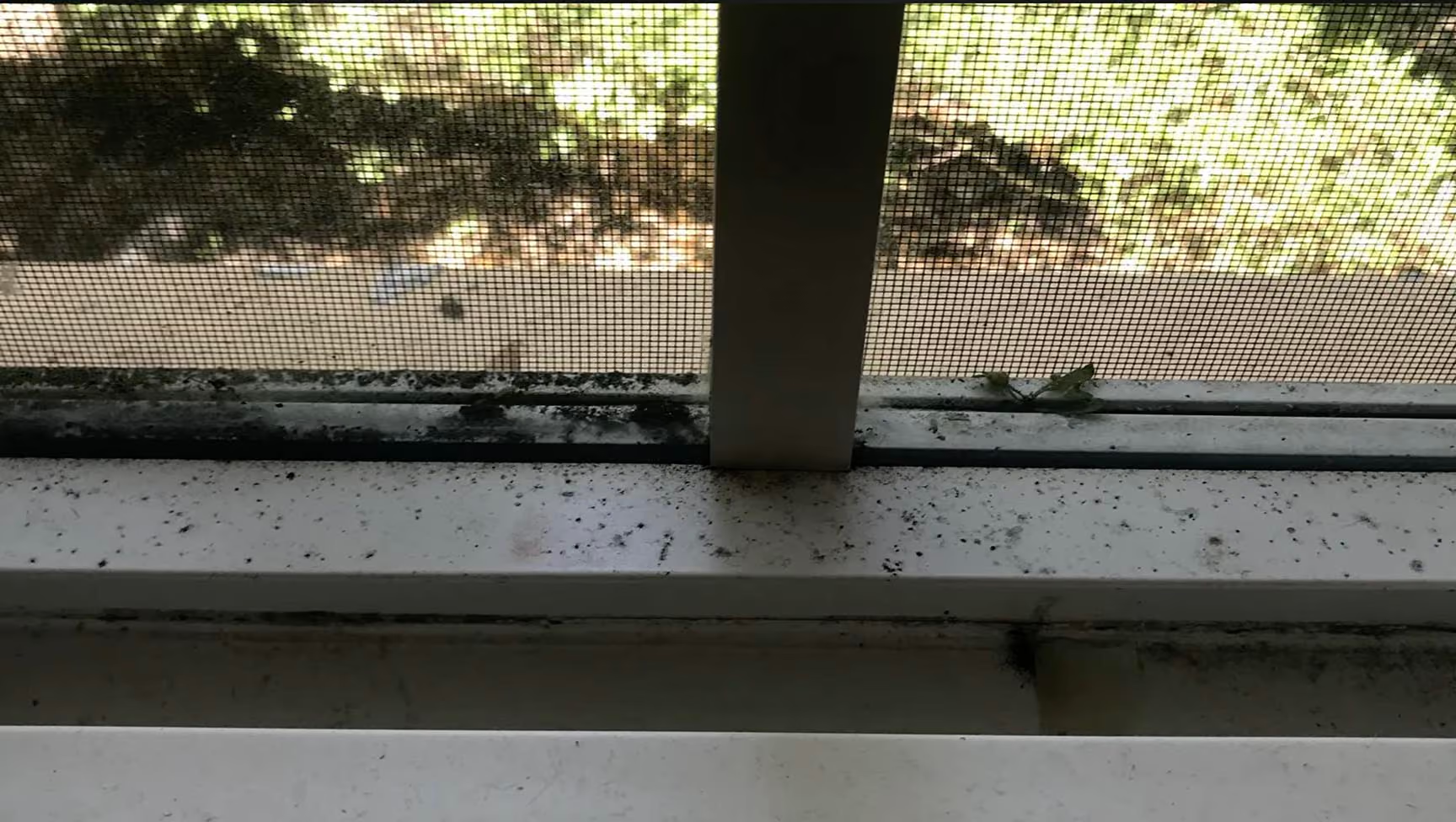
Calley finally found a doctor who told her that her body was reacting to mold and that it had to be somewhere in her home. It was in her air conditioning unit, so thick it looked like shag carpet, and under the carpets and flooring too.

When Home Isn’t Safe
Mold illness takes more than health. Over seven years, Calley moved nine times. Each new place seemed fine at first, until she found more mold. At one point she lived in a tent behind her house for weeks while she sorted through what she could save. Starting over again and again was exhausting and expensive. Hardest of all, she couldn’t give herself or her daughter a safe place to live.
In the construction and real estate industries, mold is often a taboo subject. And it doesn’t matter whether a home costs $200,000 or $19 million: mold can be anywhere. As a real estate agent, Calley faces it at work every day, in homes and offices she has to walk through. Even social life gets harder. She checks the air conditioning wherever she goes, makes excuses to leave friends’ homes early, and over time becomes the friend who’s never around.
A Trauma-Based Illness
Both David and Calley reached a point of such despair that they didn’t want to keep living. Dr. Heyman has come to believe that mold illness should be understood as a trauma-based illness. It wears down the body, the mind and the spirit. Patients lose their health, their money and their sense of safety. Often no one believes them, and doctors may dismiss their symptoms as purely psychiatric. Many end up feeling isolated, with nowhere left to turn.
The deepest wound, he says, is losing the safety of home: the one place that should keep you grounded and secure becomes the thing tearing your life apart. Some of his patients have lived in tents for months because they couldn’t stay in their homes and couldn’t afford to go anywhere else.
The Road to Recovery
Full recovery from mold illness is possible, but it takes time, and the guidance of a physician who understands the condition and how to treat it. Unfortunately, a delayed diagnosis often means longer exposure and more harm to body and mind.
Calley is still on that path. Her treatment is reducing inflammation and improving how her body produces energy, but she can’t reach the final stage of repair until she can avoid exposure. When she does get exposed, she and Dr. Heyman have a plan: she increases her binders for a couple of weeks until her symptoms settle. Her memory is much better than it was. As she puts it, the biggest challenge now is simply staying away from mold.

If you or someone you know is struggling or in crisis, call or text 988 to reach the 988 Suicide & Crisis Lifeline.