
Mold: The Hidden Epidemic – Part 1
Two patients, years of unexplained symptoms, and the hidden exposure that changed everything.
Share this page
Watch on YouTube
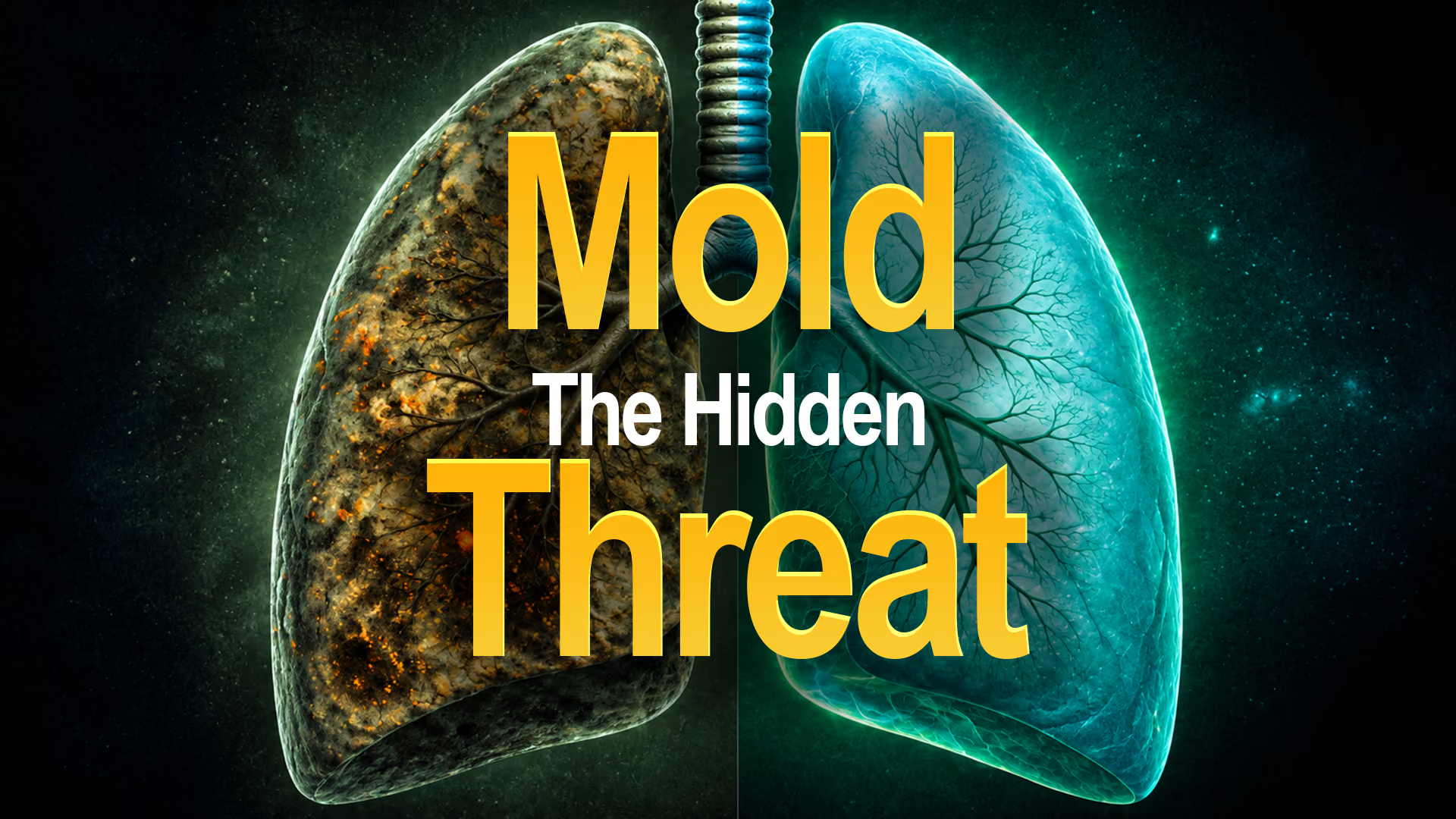
Mold: The Hidden Epidemic — Part One delves into the harrowing stories of patients whose exposure to mold has been linked to debilitating chronic illness, with some cases carrying near-fatal consequences. Through compelling personal accounts, the film examines the potential health effects of prolonged mold exposure, including cognitive impairment and damage to cells and organs throughout the body. In the end, this solution-driven documentary reveals a functional medicine protocol aimed at healing the body and mind.
A home that was making her sick
A dedicated healthcare professional working 12- to 14-hour shifts, she was living what she called her best life until small changes began to pile up. She was exhausted for no reason and gaining weight despite eating less. Eventually she couldn’t get out of bed. Her memory began to slip, words wouldn’t come, and even driving to the grocery store became a struggle.
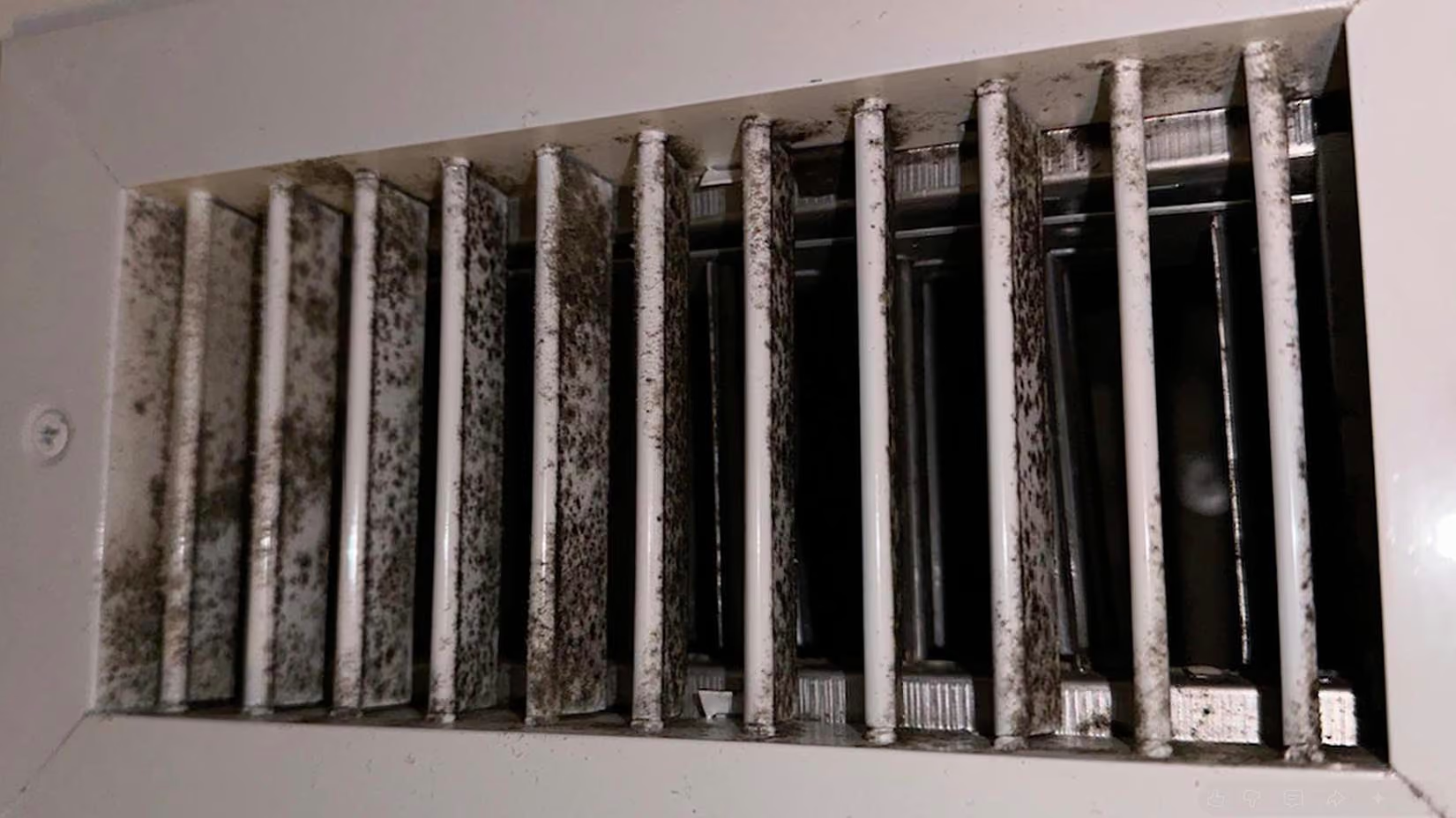
The answer came by accident. While fixing a curtain, she glanced at a vent she had never looked at in ten years. It was covered in black mold. Behind her couch, under her rug, and along her walls, mold had been growing out of sight the entire time.
When the exposure is on your plate
For Root Cause Project founder Roland Peralta, the source was harder to see. For years he lived with brain fog, migraines, digestive issues, and ringing in his ears, and no doctor could find the cause. When he finally consulted Dr. Andy Heyman, the first question was simple: had he ever been tested for mold? He hadn’t. His results showed highly elevated levels of aflatoxin, a toxic compound produced by mold that can grow on food. Roland came to suspect a lifelong habit of eating rice left out overnight, and his siblings and mother later tested positive as well.
More than an allergy
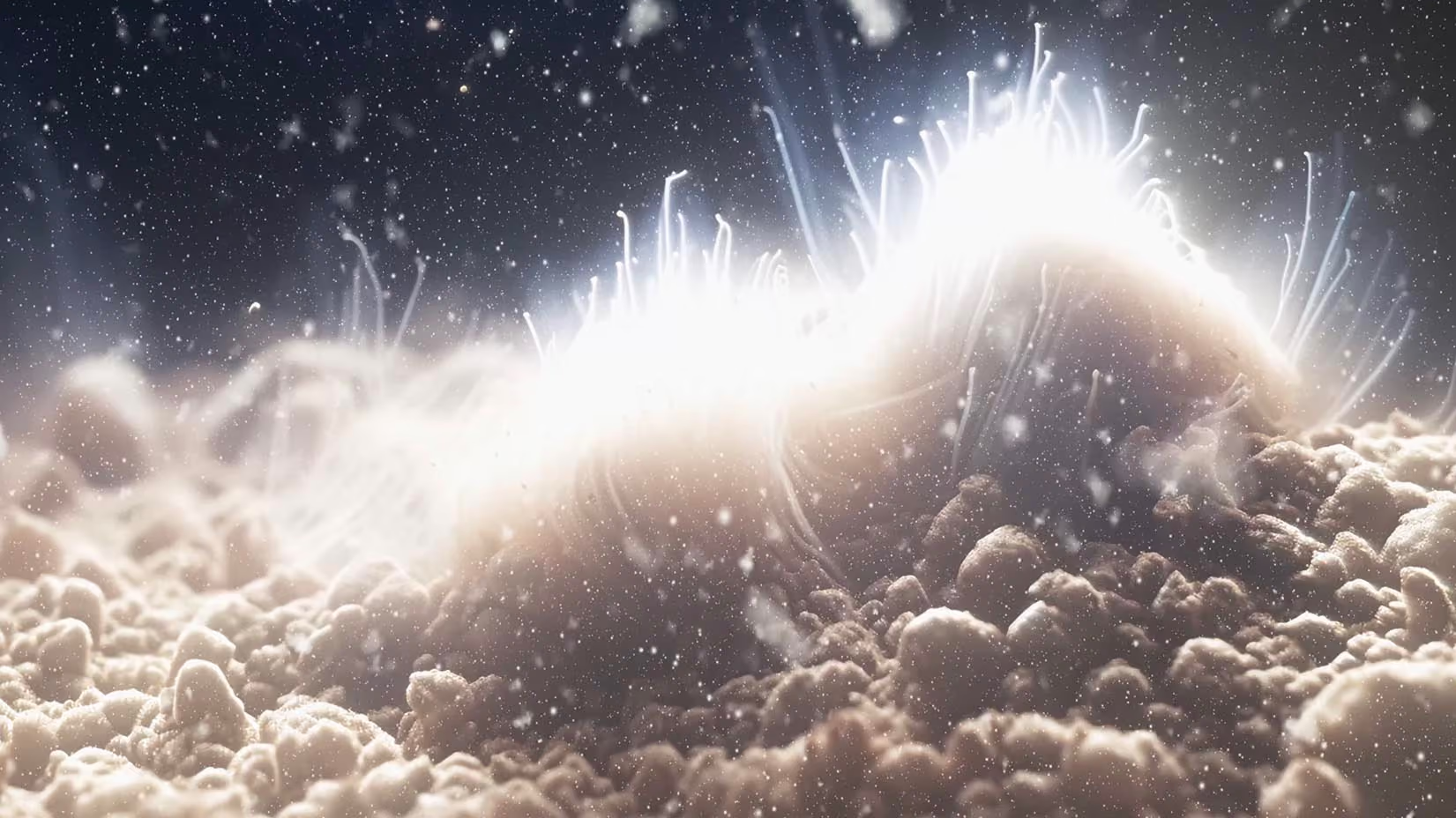
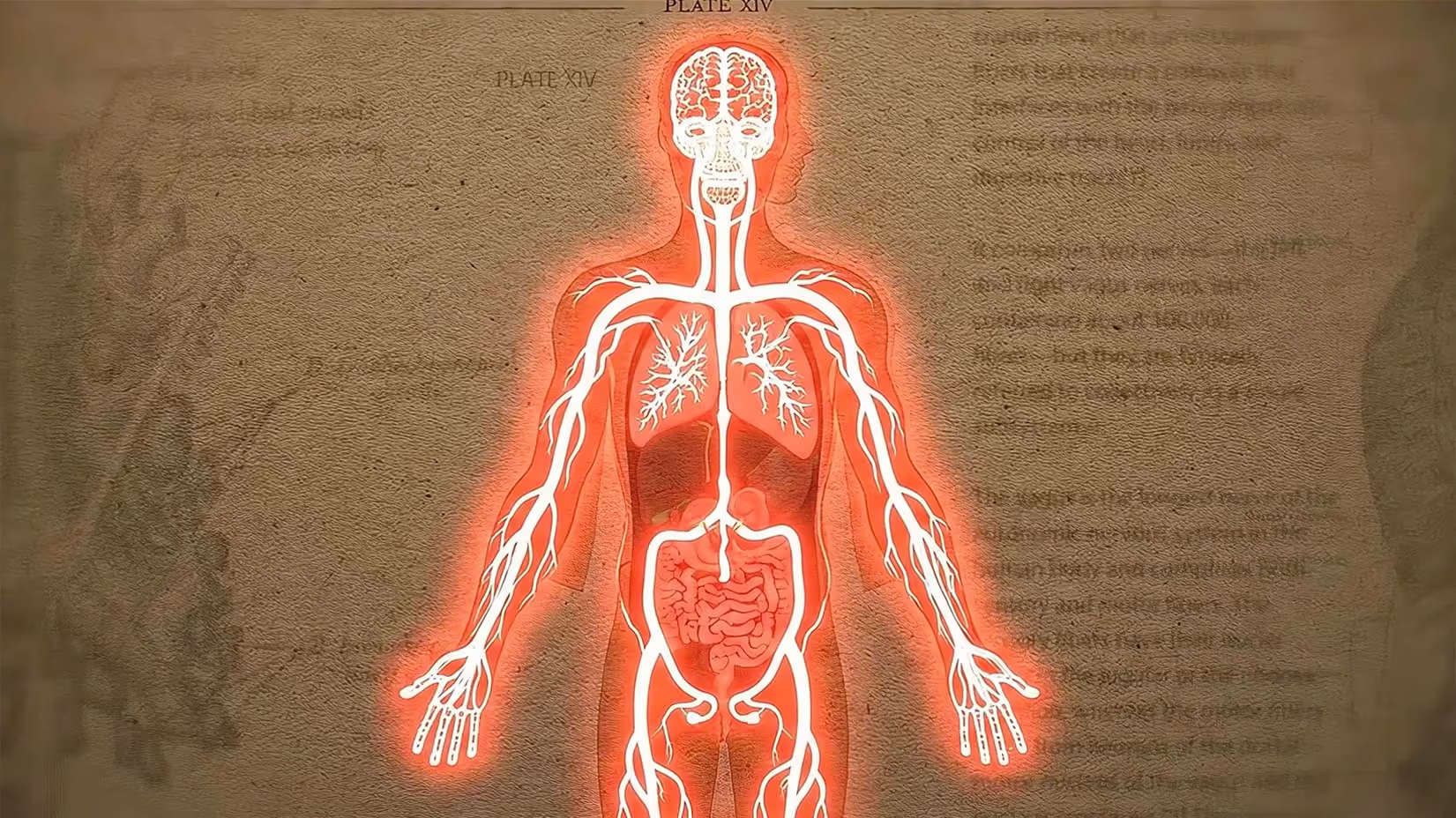
For years, mold exposure was considered mostly harmless, at worst triggering allergies or asthma-like symptoms. Dr. Heyman explains how that view has changed. Some molds release mycotoxins that can trigger an intense inflammatory response, “a fire that burns in the body,” spreading through tissues and organs. His research group’s work focuses on the brain, where prolonged exposure can cause changes that resemble traumatic brain injury.
A path to recovery
The film follows Dr. Heyman’s step-by-step approach:
- Find and remove the exposure. Healing starts with getting away from the source.
- Reduce inflammation. Binders, including a decades-old cholesterol medication and foods like okra and beets, help remove inflammatory compounds through the digestive tract.
- Restore metabolic balance. Nutrients such as magnesium, vitamin D, and B vitamins, along with thyroid, cortisol, and other hormones, are tested and rebalanced.
- Repair and resolve. A final phase uses vasoactive intestinal peptide (VIP), a compound the body makes naturally, to support healing, but only after inflammation is under control.
Today she describes herself as about 90% recovered. “Driving to the grocery store now is driving to the grocery store. It’s not a thing.” Roland is earlier in his journey, but his ringing ears and brain fog have eased, and he wakes up feeling clearer and more productive.
This film shares the experiences of individual patients and is for educational purposes only. It is not medical advice. If you’re concerned about mold exposure, talk with a qualified healthcare professional.